

A smarter way for robotic sanding systems to see the part, understand placement, and adapt automatically before the sanding cycle begins.
AI-based 3D vision creates a complete map of the work area, identifies where the part is placed, and gives the robot the information it needs to sand without fixed alignment or complex setup.


The workflow is simple: place the part freely, let the camera scan the work area, generate the sanding path, and let the robot run the cycle. There is no need for the operator to perfectly align every door before production begins, as is often required in more traditional industrial robot systems that still behave like semi-automation.
That is the difference AI-Based 3D vision makes. It turns part location, surface understanding, and path generation into an automated step instead of another manual setup task on the shop floor.
AI-based 3D vision matters because real production is not perfectly staged. Parts arrive in different positions and sizes, operators load quickly, and depending on the operator to enter setup details before sanding begins only slows the process down.
Some systems on the market still require every part to be aligned to a jig, pod, or fixture, which makes the operator part of the cycle time. AI 3D vision removes that dependency by letting the system find the part automatically.
Some systems on the market still rely on preloaded recipes with XYZ offsets that must be adjusted based on operator judgement to make the automation work for different parts. Vision-based scanning ignores those setup variables before sanding starts.
Shops rarely run perfect batches all day, which means part sizes often vary throughout production. A smarter vision system helps the robot adapt to real production mixes instead of forcing the shop to work around the machine.
Operators should not need to think in robot coordinates such as width, depth, and height for every part. AI 3D vision keeps operation closer to the way shops actually work: place the part, select the sanding recipe(usally passes, pattern & pressure ), and run.
The move toward automated sanding is structural, not temporary. Shops need systems that reduce setup time, remove operator dependency, and handle changing production without turning every new part into a programming task.
Product mixes are becoming more complex. Manufacturers are running more door styles, more sizes, and more custom orders. Fixed automation struggles when the shop floor changes faster than the setup process.
Operators need simpler workflows. The person loading the machine should not need to align parts perfectly or understand robot coordinates. The system should absorb that complexity.
Quality has to stay consistent. If placement changes from part to part, the robot still needs accurate scan data before sanding begins. Vision is what makes that flexibility practical.
This is why AI 3D vision matters. It is not a research feature; it is the practical foundation for robotic sanding that can run in real production without forcing the shop to slow down for the robot.
Shops are solving the setup problem by using robotic sanding systems that can scan the part, understand where it is, and generate the path automatically before sanding starts.
The shops that have figured this out are doing the same thing: eliminating fixture-heavy or vacuum pods based loading, reducing operator decision-making, and letting the machine adapt to real production flow.
AI 3D vision reduces the need for perfect placement. Operators can place the part on the table, select the right recipe, and let the system identify the location instead of forcing every door into a fixed position.
Automation becomes easier to run. The machine handles scan, recognition, and path generation in the background, so day-to-day operation stays simple for regular shop-floor operators.
Production becomes more flexible. Shops can run changing part sizes and production mixes with less setup friction, which makes robotic sanding fit the way manufacturing actually works.
Quality becomes more repeatable. When the robot starts with a reliable 3D understanding of the part, the sanding cycle can be more consistent from one door to the next.
Vancouver Automation builds every product with real production constraints in mind. The design philosophy is turnkey simplicity, because if a machine requires a programmer, an integrator, or months of setup, it does not solve the problem fast enough.
Robotic sanding is one solution to the labor crisis. Read the complete guide to robotic sanding for a full technology and ROI breakdown, or use the ROI calculator to model savings for your shop.
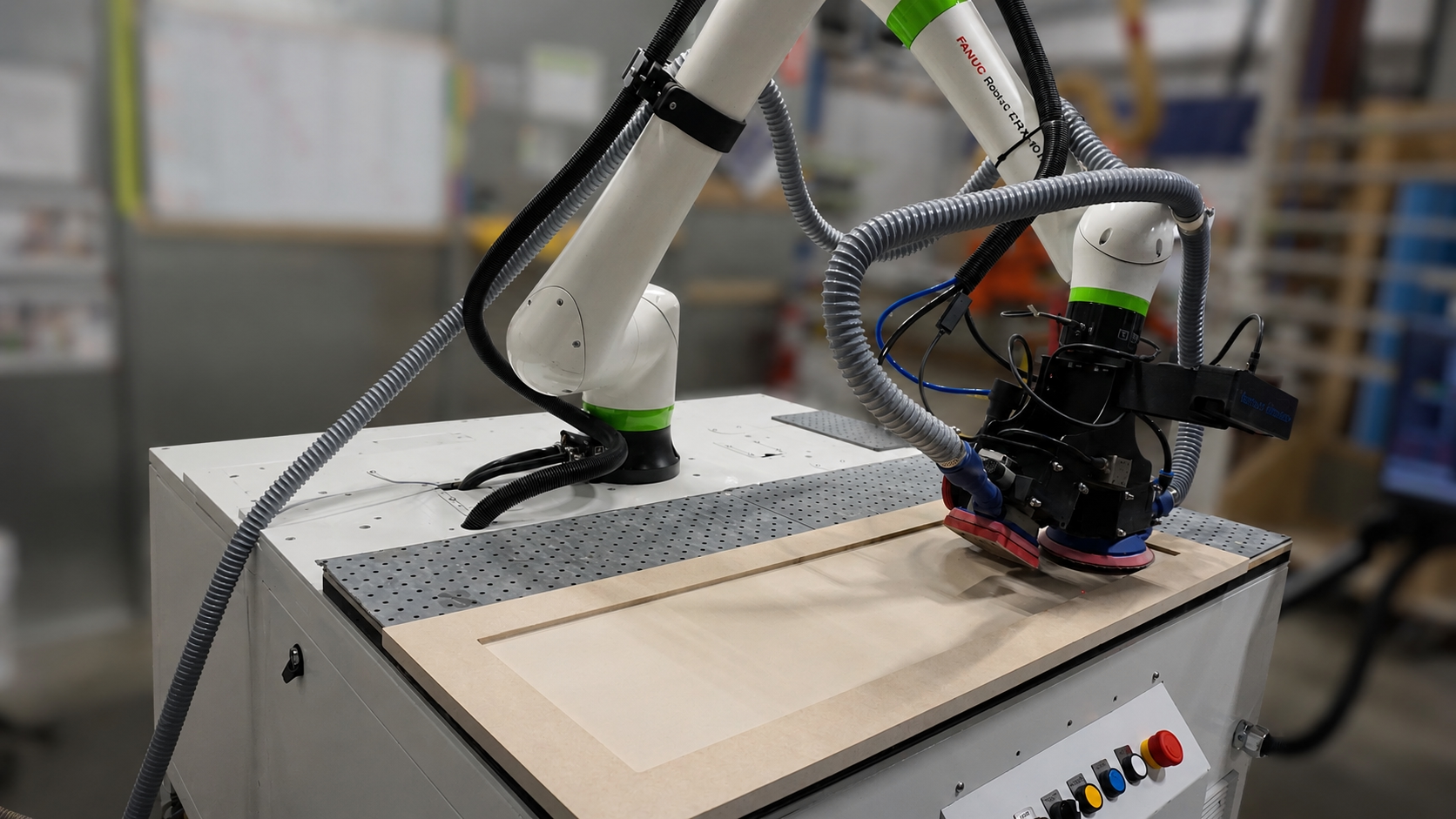
Compact AI sanding cell for reliable daily output in small and mid-size production lines.
Learn More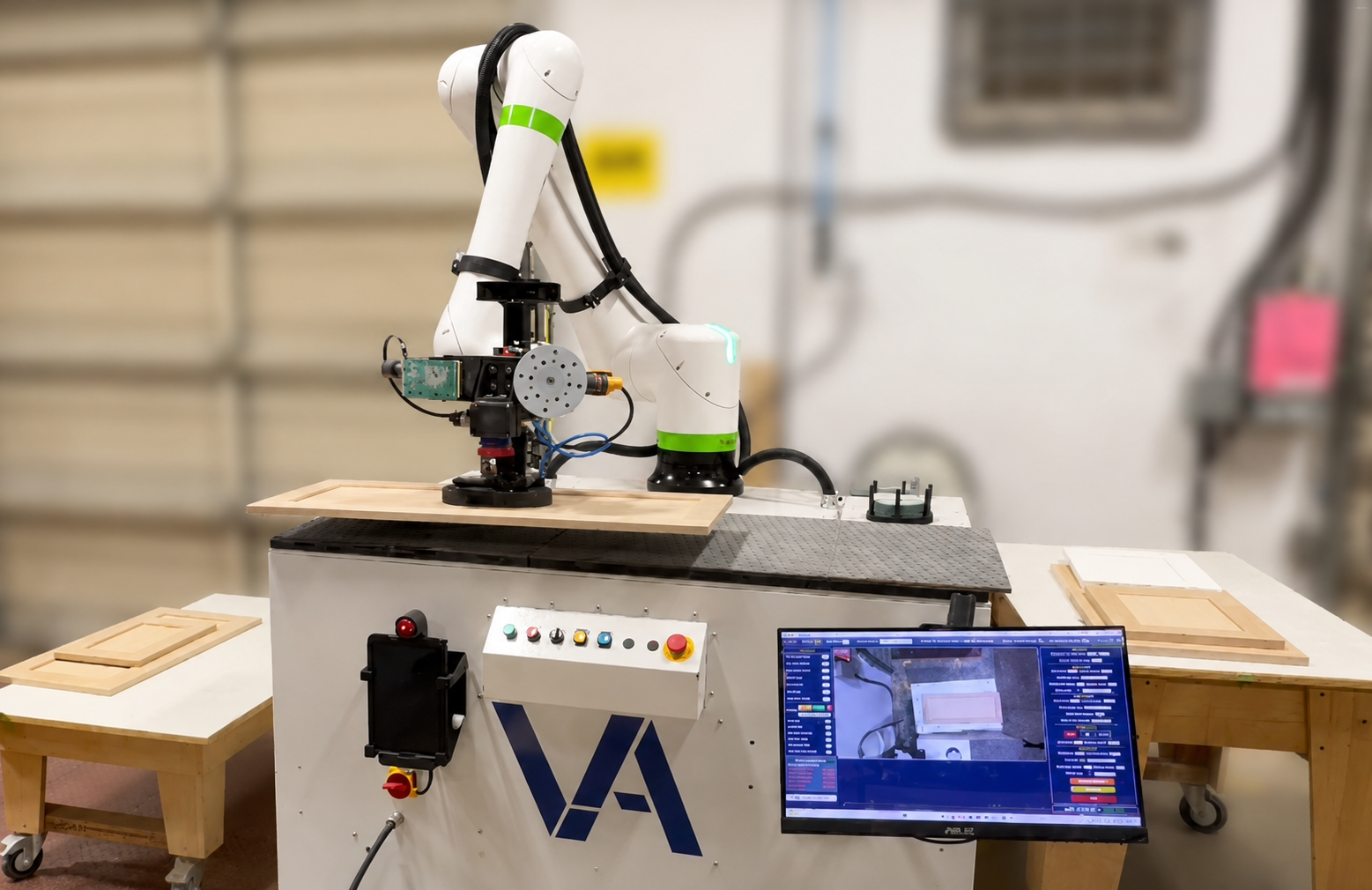
Core Pick-Sand-Place workflow for automated transfer and controlled sanding consistency.
Learn More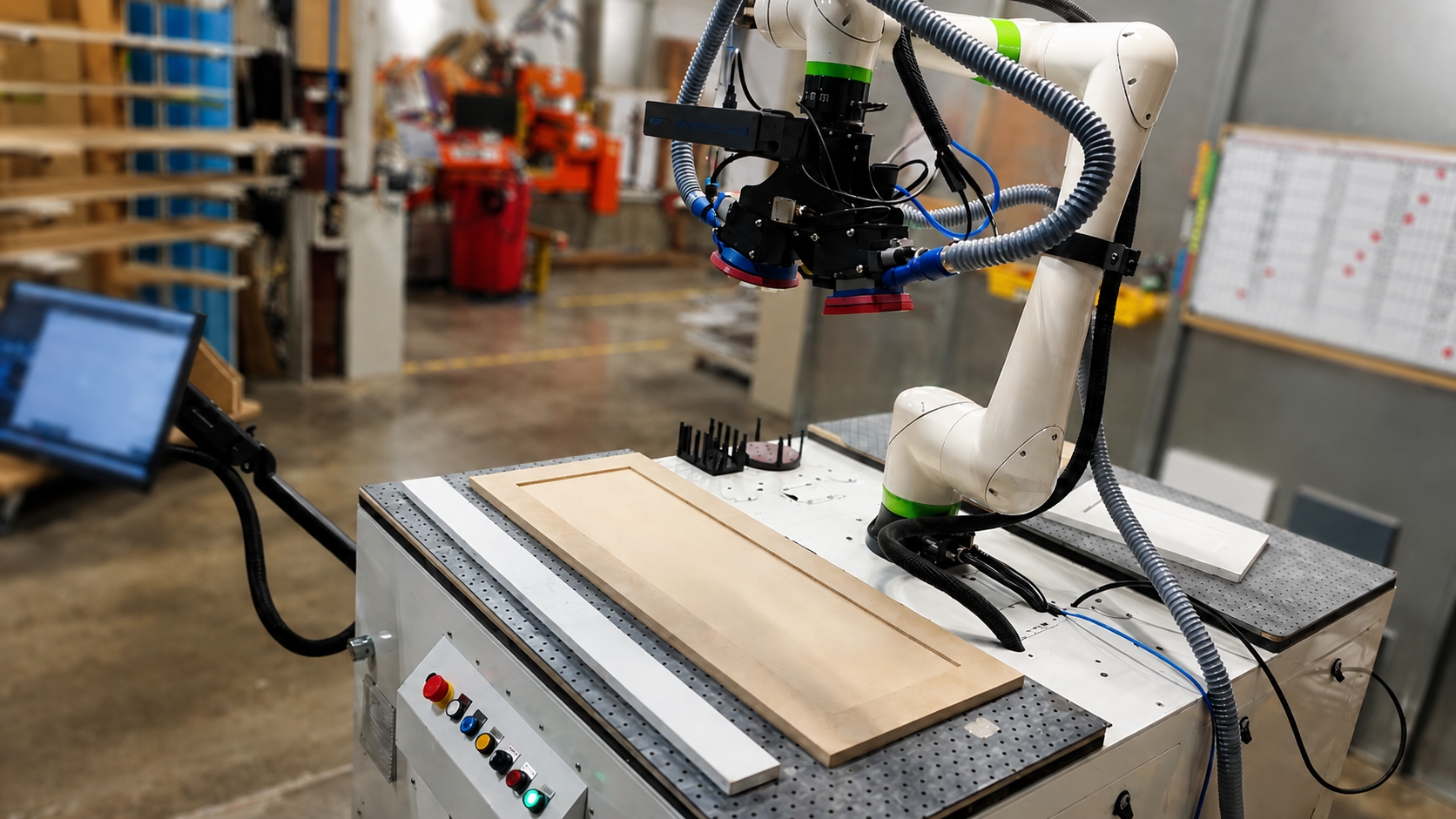
Dual-station setup for parallel sanding, maximizing throughput while reducing headcount.
Learn More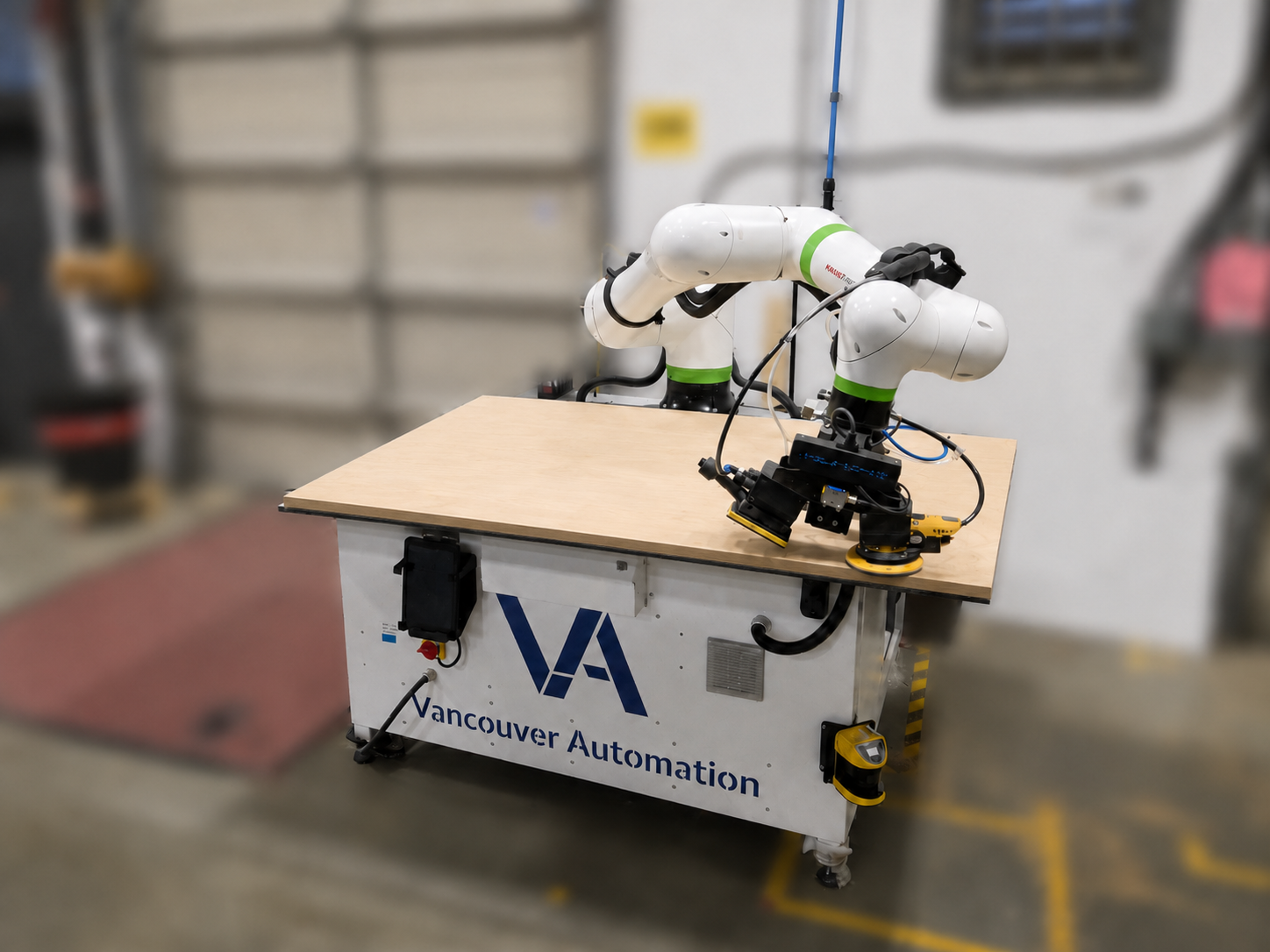
Large Work Range Sanding Platform built to handle larger parts with ease.
Learn More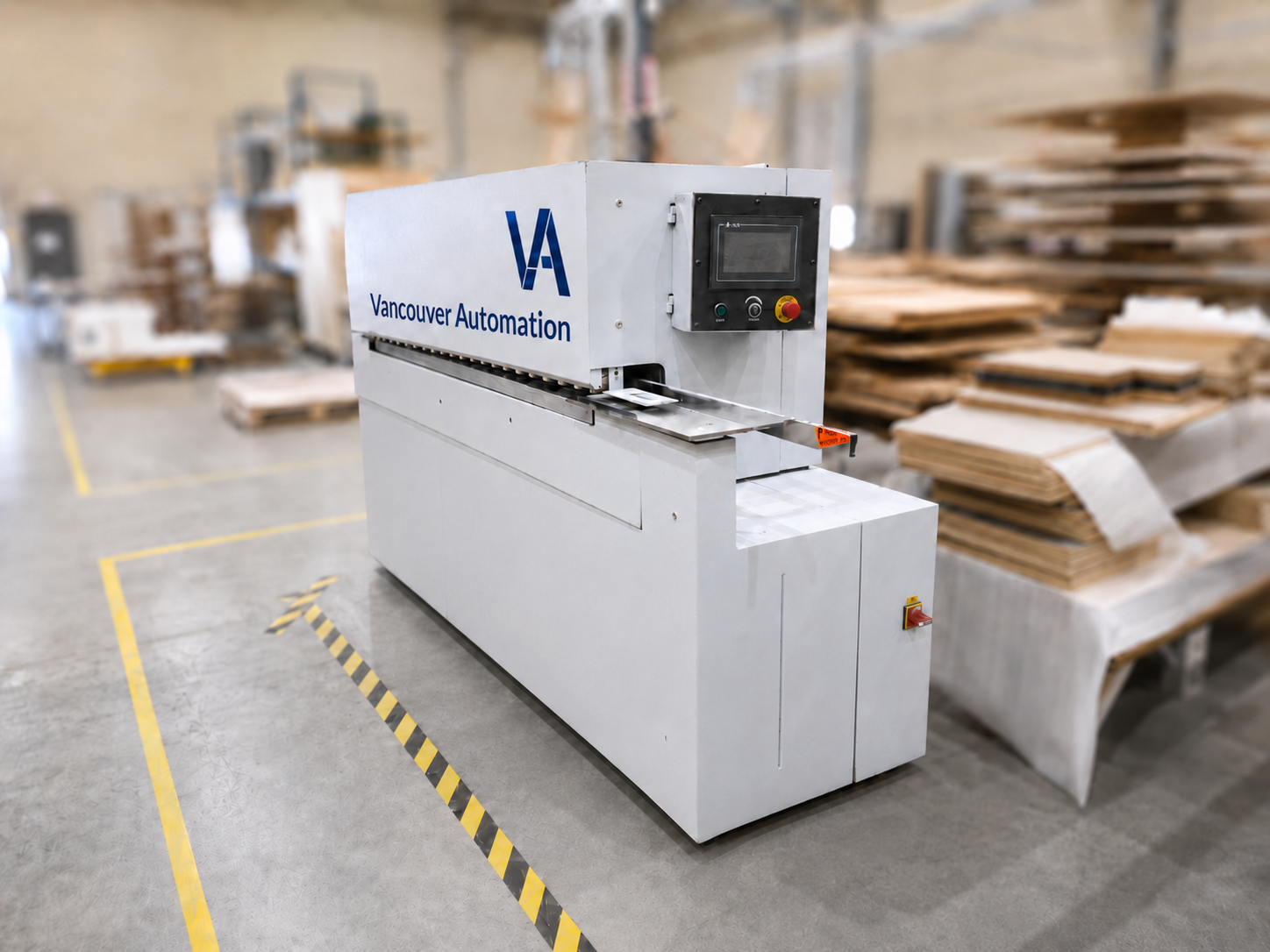
Dedicated edge-focused sanding platform for profile precision and corner consistency.
Learn MoreEvery month of manual sanding costs labor, consistency, and capacity. The machine that replaces it produces on day one.